
The Parts We Hide Are the Parts That Make Us Whole
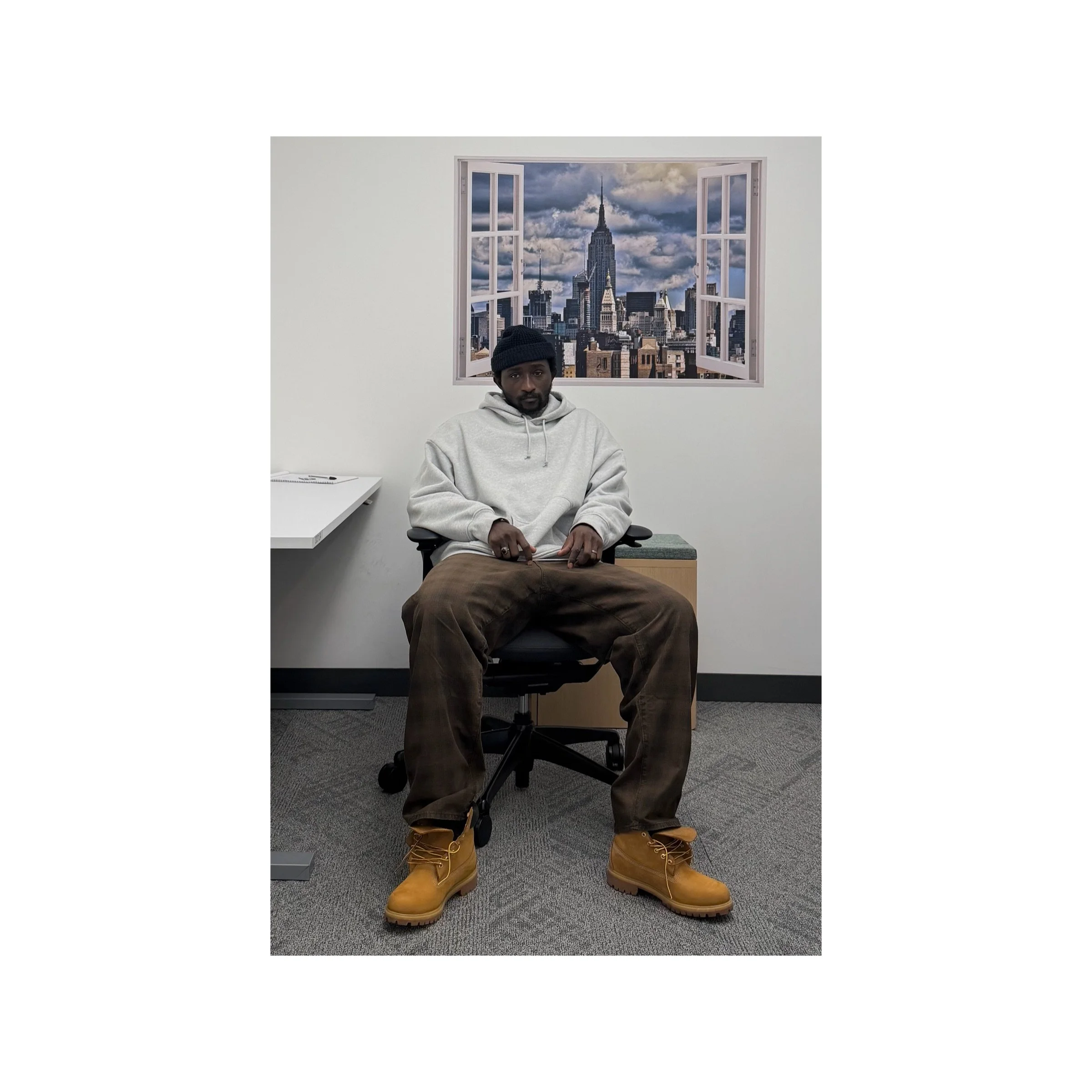

Why we hide the parts of ourselves that make us whole
I’ve been thinking about this lately, not as an idea, but as a pattern. A pattern I keep noticing in myself. And quietly, in others.
It usually looks like this: You walk into a room with a version of yourself that feels acceptable. Polished. Capable. Composed. A version that knows how to perform belonging.
And you leave the rest somewhere else.
The tender parts. The unsure parts. The parts that are still grieving something you haven’t named. The parts that still need God more than they need affirmation.
We don’t announce this choice. We don’t even always realize we’re making it. We just learn over time which parts of us feel safe to bring forward.
And we call that growth. We call it maturity. We call it “knowing how to move.”
I’m not oblivious to the fact that we can't be whole 100% of the time, certain moments require us to be intentionally acceptable. Because hiding is rarely about dishonesty. It’s about protection.
If I show you my softness, you might mishandle it. If I show you my story, you might flatten it into a stereotype. If I show you my faith, you might misunderstand it. If I show you my ambition, you might call it ego. If I show you my pain, you might pity me. If I show you my joy, you might envy me.
So we learn to edit ourselves. Not because we’re fake. But because we’re trying to avoid social consequences.
For first-gens like myself. For those raised between worlds. For people who learned early that visibility can be costly.
There’s an unspoken curriculum many of us grow up with: Don’t be too emotional. Don’t be too needy. Don’t be too different. Don’t give people a reason.
You learn to carry your life quietly. You learn to be impressive before you’re understood. You learn to prove value before you ask for softness. And slowly, almost imperceptibly, you begin living as a partial human.
Functional, but fragmented.
We become fluent in presenting the “winning” parts of ourselves. The builder.
The strategist. The one with a plan. The one who’s always moving. The one who seems grounded.
Meanwhile, the parts that actually make us whole are the ones we keep hidden:
The part that is still healing. The part that needs rest. The part that feels lonely in transition.
The part that wants community, not just proximity. The part that is trying genuinely to choose deen over dunya, even when dunya is loud.
And there is a cost to this.
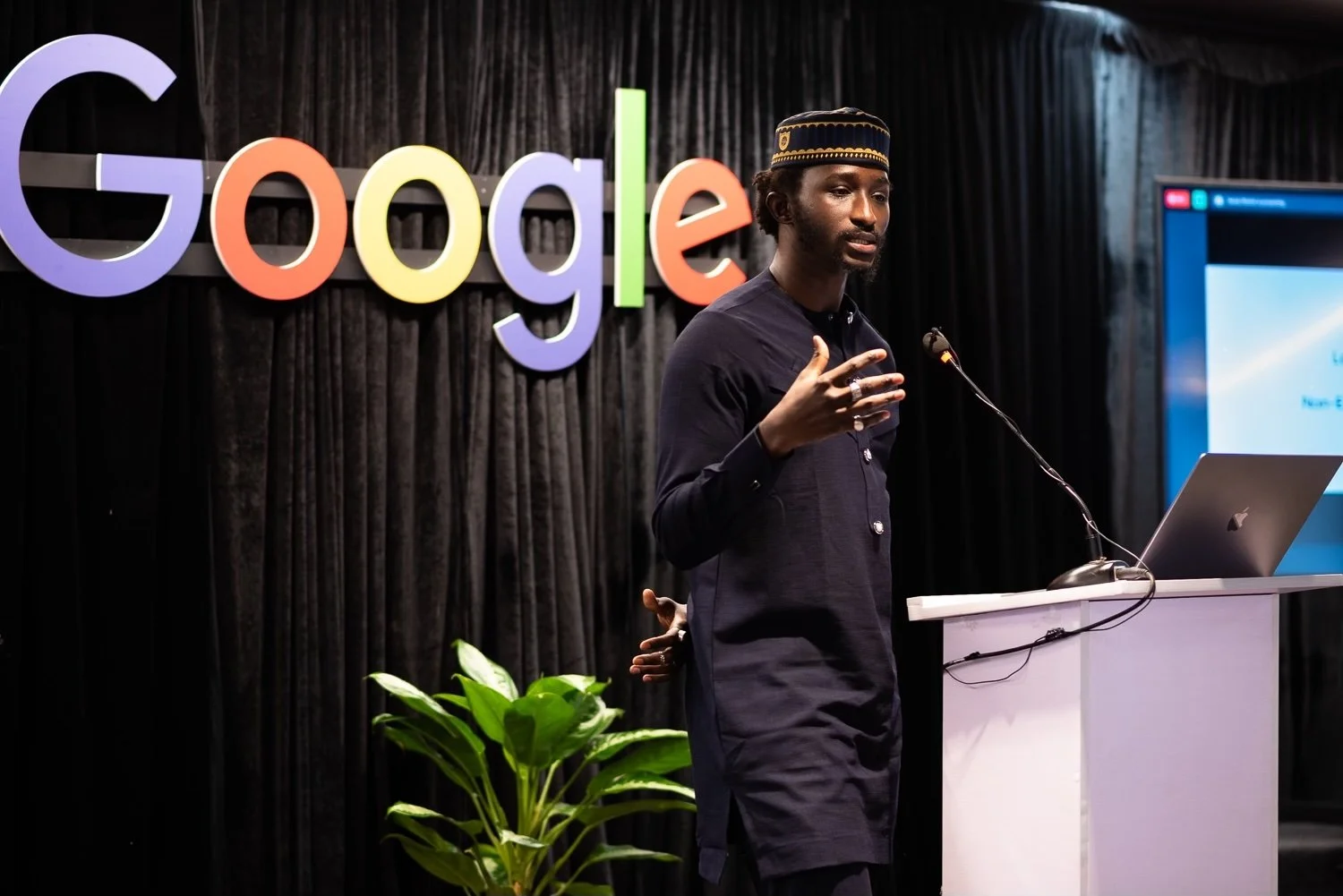
Because the parts you hide don’t disappear. They just get louder in private. They show up as overworking. As control. As irritability. As spiritual dryness. As a quiet heaviness you can’t explain, even when life looks “good.”
I’ve felt this most clearly in seasons where my priorities shifted.
When you’re chasing status, hiding can feel strategic. When you’re chasing sincerity, hiding starts to feel like a betrayal.
This is where deen comes to play, It doesn’t just ask, Are you successful? It asks, Are you truthful? Not truthful in public. Truthful in the presence of your Lord.
Because wholeness isn’t a branding exercise. It’s alignment.
It’s when your internal life and external life stop arguing with each other. And that’s why vulnerability is misunderstood. Vulnerability isn’t oversharing. It’s integration.
It’s allowing the same person to exist everywhere: in the masjid, in the boardroom, at home, in friendship, in leadership, in love.
Not perfect. Just whole.
Of course, not everyone deserves access to your full story. Privacy is wisdom.
But I’ve also learned something harder to admit, Sometimes we hide not because people are unsafe, but because we haven’t yet made peace with who we are becoming.
Because being unfinished feels vulnerable. And in a world that rewards certainty, becoming can feel like weakness.
But now, I understand that the parts of me that I hide are not liabilities. They’re my proof of life.
So maybe the real question isn’t why we hide. Maybe it’s what kinds of spaces are we building where wholeness feels unsafe? What kinds of relationships require us to perform instead of arrive? What version of success demands that we abandon parts of ourselves?
So for me, I'm choosing to show up as a whole person, without demanding an applause for it.
Living in truth. Building in truth. Leading in truth. Loving in truth. And trusting that what’s meant for me will never require me to fragment myself to receive it.
May Allah grant us sincerity. May He heal the parts we keep hidden. And may He surround us with people who can hold the full version of us with mercy.
