
Heavy is the head that wears the First-Gen crown
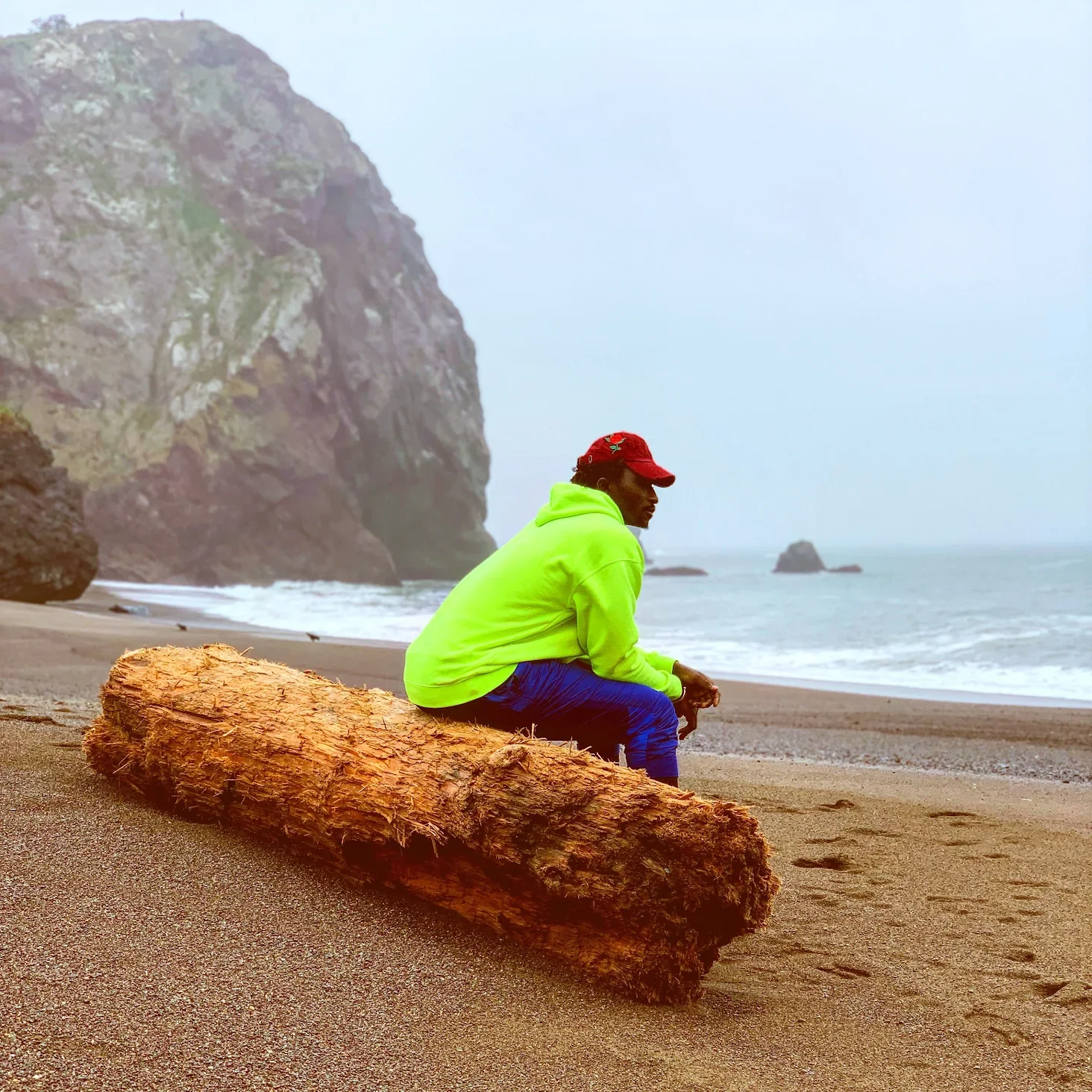

I remember the exact moment. Where I was standing, what I was wearing, even the brand of gum I was chewing when the crown was placed on me. No warning. No conversation. Just a moment of understanding.
But the truth is, this has been in the making long before that day—ever since I was able to read and write in English and realized how the world worked. I started wearing the crown early; I just didn’t know it had a name.
The first-gen crown isn’t a role I applied for.
It’s a crown I inherited.
And nobody told me how heavy it would be.
I learned early that love comes with responsibility.
Sometimes it meant translating a letter from school to my mom.
Sometimes it was helping her on the phone with a customer-service agent—or becoming her for the customer-service agent (they can’t come for me revealing this, right?).
Sometimes it was explaining job forms, paycheck reductions, TV show plots, or why some people come get their hair done and don’t want to pay.
Other times it was staying quiet because I didn’t want to add weight to someone already drowning.
I didn’t realize it then, but looking back, I became the “infrastructure” of my family long before I even understood the word.
The bridge between cultures.
The connector between generations.
The strategist before I knew what strategy was.
The emotional processor for people who never had time to process anything themselves.
I grew up fast—not emotionally (that came later … well, still working on it), but logistically.
Early on, I became my family’s:
translator
therapist
negotiator
advocate
dreamer
peacekeeper
buffer
And I know I’m not alone. Every first-gen can identify with at least a few of these roles. Shoot, I probably missed a ton.
The toughest part is moving through a world that still expects you to show up fully—student, professional, husband, father—without ever seeing the invisible work you carry. And it’s not really their fault; it’s hard to acknowledge a weight you’ve never had to lift.
The phone calls.
The paperwork.
The emotional labor.
The sense of responsibility.
The guilt of wanting to live your own life while also wanting to carry your family forward.
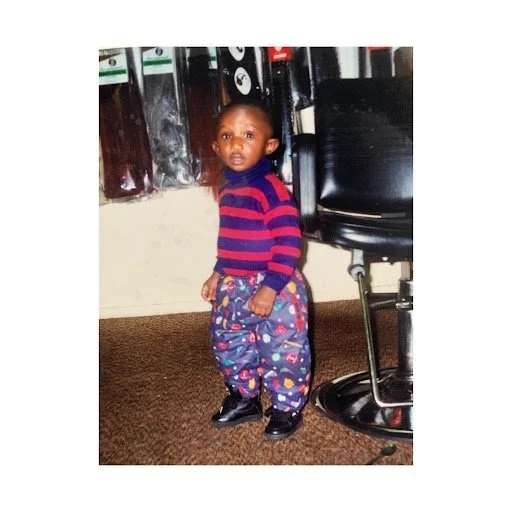
We carry all of this quietly.
With love.
With duty.
With unspoken exhaustion.
And in my rare quiet moments—between my ambition and my exhaustion—I’ve had to face a question I avoided for years:
Who am I when I am not holding everything up?
I became good at adapting.
Good at surviving.
Good at pushing forward regardless of circumstances.
Good at connecting dots that were never meant to touch.
But I never learned how to rest.
How to put the weight down.
How to ask for help.
How to focus solely on my own needs.
How to say, “I’m tired.”
Even thinking it feels like betrayal.
Then, the moment you “succeed” (whatever that means in your family), the expectations grow.
And the moment you struggle, the guilt grows even faster—sometimes with help from the very people you break your back for.
There are days I feel like the world expects a version of me that is always strong, always available, always solving, always holding it together.
But deep inside?
It’s only my third day out here, and I’m just trying to find ground under my feet.
As I’ve gotten older, I’ve learned something important:
Wearing the first-gen crown doesn’t require invincibility.
It requires intention.
It requires boundaries that don’t abandon love.
It requires trusting that Allah would never give a soul more than it can bear.
It requires holding my family with compassion and holding myself with love.
So, to my fellow crown bearers—I see you.
You didn’t choose the role, but you gave it dignity.
You didn’t have a blueprint, but you became one.
You didn’t have guidance, but you became the guide.
You didn’t have room to break down, yet somehow you built everyone else up.
Some days I still don’t feel built for this crown.
Some days I’m scared I’ll drop everything I’m holding.
Some days I just want to be someone who doesn’t have to translate the world for everyone all the time.
But then there are moments—quiet, ordinary moments—when I see the people I love standing on ground I helped create, and I remember:
I didn’t break.
I built.
I didn’t drown.
I carried.
I didn’t become less of myself.
I became more.
And maybe that’s the truth we forget the most:
We are not just the bridge.
We are the miracle that made crossing possible.
